
Ryobi RB18L50 Cordless Power Tool Battery Replacement: Expert Tips for Australian DIYers
For Australian tradespeople and DIY enthusiasts, a reliable battery is the backbone of productivity. The Ryobi RB18L50 18V 4.0Ah Li-ion battery, compatible with the One+ system, is a workhorse powering drills, saws, and multi-tools across jobsites and workshops. But when performance fades, knowing how to diagnose, replace, or revive your battery can save time and money. Here’s BattAussie expert guide to maximizing lifespan and choosing the right replacement.
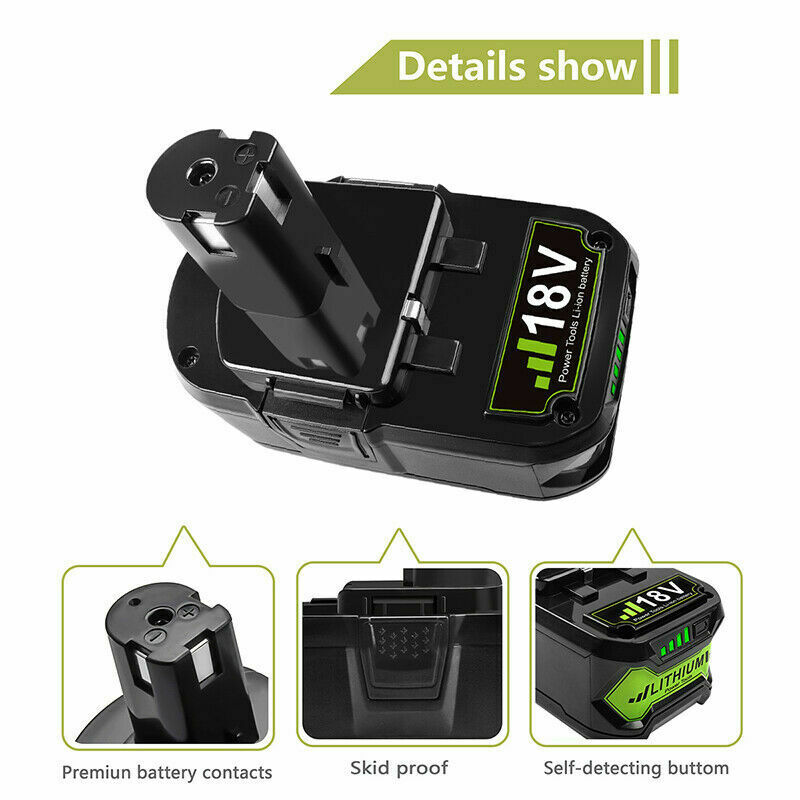
1. Diagnosing Battery Issues: When to Replace vs. Revive
Before buying a new battery, confirm the problem isn’t temporary.
- Symptoms of a Failing Battery:
- Rapid power drain during use.
- Failure to hold a charge (e.g., drops from 100% to 50% in minutes).
- Overheating or swelling (a safety hazard; discontinue use immediately).
- Quick Checks:
- Test the battery in multiple tools. If one tool works fine, the issue may lie elsewhere.
- Use a multimeter to measure voltage. A healthy 18V battery should read ≥16.2V when fully charged.
- Revival Option (For Non-Swollen Batteries):
A “jump-start” method can reset the battery’s protection circuit. Using a 12–15V power adapter (≤20V to avoid damage), connect the adapter’s positive (red) wire to the battery’s positive terminal (marked on the circuit board) and negative (black) to the negative terminal. Charge for 2 minutes, then reinsert into the Ryobi charger. This bypasses temporary protection lockouts but won’t fix degraded cells.
2. Choosing the Right Replacement Ryobi Tool Battery
The RB18L50 is compatible with dozens of Ryobi One+ tools, but third-party options offer cost-effective upgrades.
- Key Considerations:
- Capacity: 4.0Ah (original) vs. 6.0Ah aftermarket. Higher capacity = longer runtime (e.g., an 6.0Ah battery lasts ~33% longer than 4.0Ah).
- Certifications: Look for CE, UL, or ROHS compliance (e.g., Battool 9.0Ah batteries meet these standards).
- Warranty: Opt for brands offering ≥1-year coverage (e.g., Dongguan Lewe provides 12-month warranties).
3. Replacement Process: Safety First
- Tools Needed: T10 Torx screwdriver (or a small flathead for security screws), multimeter (optional).
- Steps:
- Power off tools and remove the battery.
- Unscrew the battery casing (5 screws; one may be hidden under a plastic tab).
- Gently pry open the case. Avoid forcing it to prevent damage.
- Replace the old battery pack with a new one (ensure polarity matches).
- Reassemble and test in a charger.
Pro Tip: Label screws during disassembly to avoid confusion.
4. Extending Battery Lifespan
- Storage: Keep batteries at 40–60% charge in a cool, dry place (e.g., a garage cabinet). Avoid extreme temperatures.
- Usage: Rotate batteries between tools to prevent over-discharging.
- Charging: Use Ryobi-approved chargers. Avoid leaving batteries plugged in indefinitely.