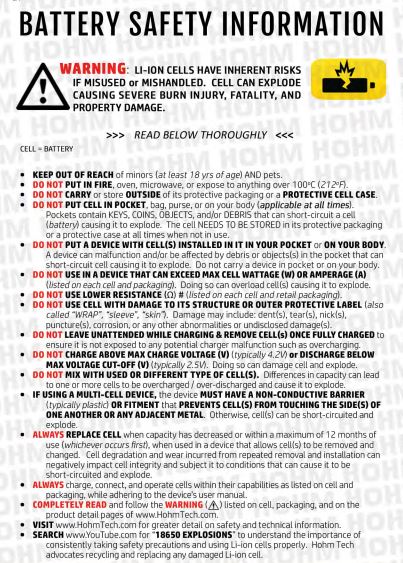
Lithium-ion batteries power our modern electric power tools and appliances, offering convenience and portability. However, when these batteries are used as loose cells outside their intended battery packs, they pose serious safety risks that every power tool and vacuum cleaner owner should understand.Why Loose Cells Are Dangerous?Unlike battery packs with built-in protection circuits, loose lithium-ion cells lack essential safety mechanisms. These individual cells can short-circuit when their exposed metal terminals come into contact with metal objects like keys, coins, or other batteries. Once shorted, they can overheat rapidly, leading to thermal runaway – a chain reaction that causes the cell to ignite, explode, or forcibly expel burning contents.The U.S. Consumer Product Safety Commission (CPSC) has issued warnings specifically about 18650 lithium-ion cells being separated from battery packs and sold individually. These cells are manufactured as industrial components for battery packs, not as standalone consumer batteries.
Critical Safety Precautions
Handling and Storage
Never store loose cells together where terminals can touch
Always use protective cases or boxes when transporting
Keep away from metal objects to prevent short-circuiting
Store in cool, dry places away from direct sunlight
Remove from charger immediately once fully charged
Usage Warnings
Do not use if wrapper or insulator is damaged
Never disassemble, puncture, or modify cells
Avoid exposure to water or other liquids
Do not incinerate or dispose in fire
What to Do If You Suspect Damage
If you notice any of these warning signs, discontinue use immediately:
Cell deformation or swelling
Unusual odors (especially electrolyte smell)
Leakage from the battery
Discoloration or rust
Damage to the outer wrapping
In case of battery leakage, do not allow liquid to contact skin or eyes. If contact occurs, wash with large amounts of water and seek medical advice immediately.
Proper Disposal
Lithium-ion batteries should never be thrown in regular trash. They must be disposed of according to local regulations at designated recycling centers. Many retailers and municipalities offer battery recycling programs.